Machine translation Translation technology
How AI Is Really Used in Professional Translation (And Where It Falls Short)
When speed meets subtlety, who really holds the pen?
AI can speed up translation, but it can also quietly introduce the kinds of errors that cost you trust: the wrong tone, the wrong nuance, the wrong interpretation of a critical phrase.
So the real question isn’t “Should we use AI?” It’s “Where is AI safe to use—and where do we need a human in the loop?” Get that decision wrong, and you can end up with content that reads fluently while saying the wrong thing.
Below, we break down how AI is actually used in professional workflows, the situations where it genuinely helps, the predictable places it falls short, and why human expertise is still what makes the output fit-for-purpose.
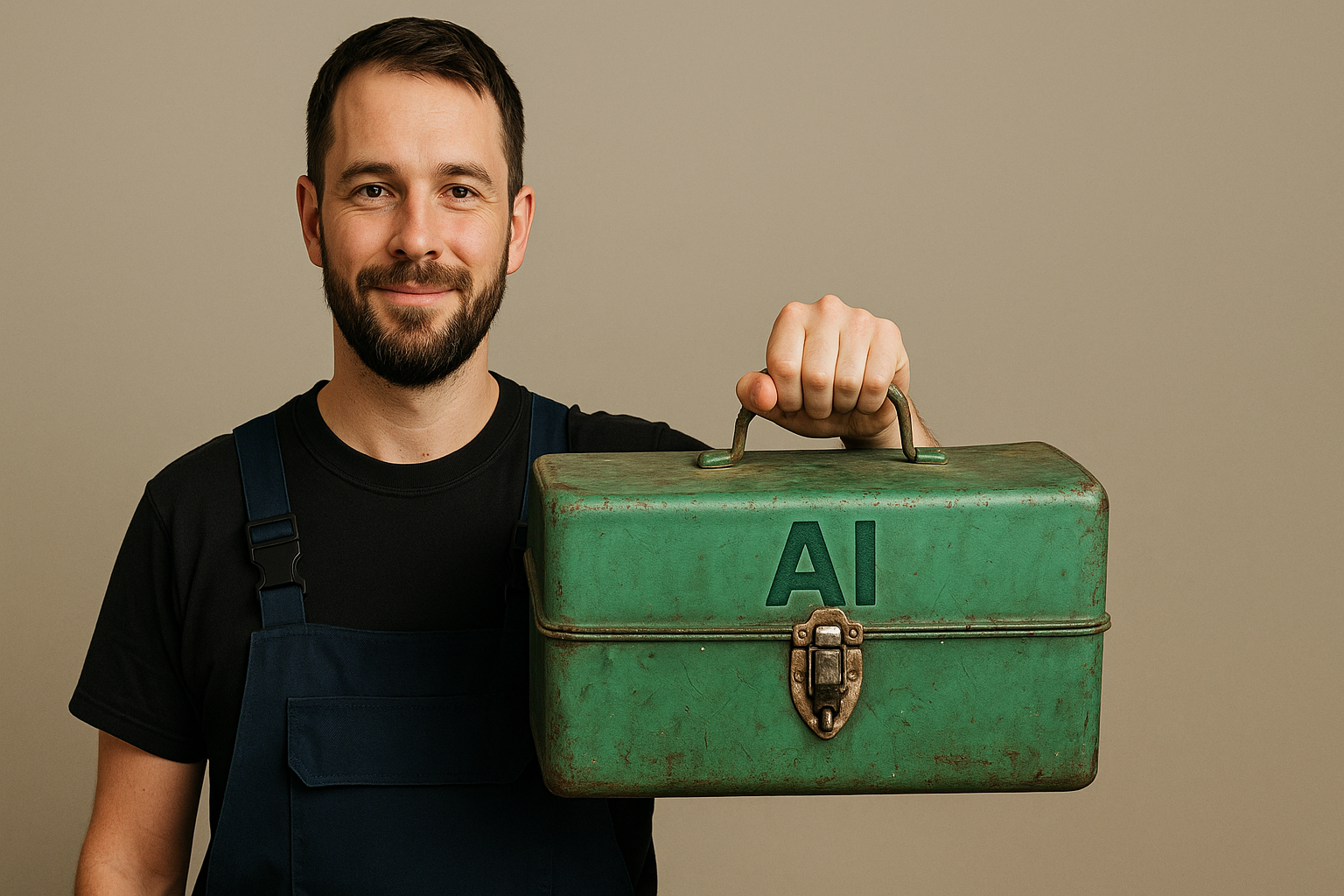
AI is part of the toolkit, not the whole solution
Machine translation (MT), particularly Neural Machine Translation (NMT) tools like DeepL and Google Translate, can produce surprisingly fluent results. Professional translators often use these tools as a starting point, especially for internal documentation or time-sensitive material.
But, and this is critical, every machine output needs human review. Why? Because even fluent AI translations can misfire spectacularly on:
- Tone and voice
- Cultural references
- Industry-specific jargon
- Legal or compliance-critical phrasing
At Brightlines, our AI-assisted workflows are paired with real translators who check for natural flow, factual accuracy, and brand consistency. This isn’t an optional polish. It’s essential.
An Example of a Hybrid AI Workflow: From Machine Output to Human Impact
Not all translation projects begin with AI. In fact, when content is creative, sensitive, or brand-led, we often recommend starting with a human from the outset.
But when speed, volume or content type allows, we offer a hybrid model, combining automation with expert oversight.
Here’s what that can look like:
Step 1: Machine Translation (MT Engine)
We start with a high-quality MT engine, ideal for high-volume, factual, or formulaic content.
Step 2: AI-Powered Language Quality Assessment (LQA)
Before a human even steps in, our AI LQA tools scan for errors, inconsistencies, and tone mismatches. It’s a powerful first filter that speeds up downstream editing and ensures that obvious issues are caught early.
Step 3: Human Linguist – Content & Context Check
A professional linguist reviews the machine output with trained human eyes, correcting meaning, intent, idioms, and any phrasing that feels off in context.
Step 4: Human Editor – Style & Readability Polish
For customer-facing or on-brand content, a second human, an editor, refines the tone, structure, and clarity. This is where the final text is shaped into something natural, confident, and impactful.
Why Human Expertise Still Holds the Line
Traditional workflows often involved multiple linguists: a translator, a reviewer, and sometimes a subject specialist or editor. Each had a distinct role, ensuring clarity, accuracy, fluency, and tone.
With AI-assisted workflows, there may be fewer human touches, but those touches still matter. Instead of removing people, the hybrid model redefines where humans intervene—and what they focus on.
For example:
-
The human linguist ensures the content is accurate, natural, and contextually correct
-
The human editor sharpens tone, flow and brand fit—especially for customer-facing or sensitive material
It’s not about replacing the human craft, it’s about applying it more strategically, with AI as a tool, not a solution.
The result? Content that’s faster to produce, yes, but still unmistakably human in impact.
Not All Text or Languages Are Built for AI
It’s tempting to think of AI as a magic fix. Feed in your words, get instant translations. Job done.
But the reality is far messier.
Some content types just don’t suit machines
AI handles clear, consistent, factual content well. But throw it a curveball—like humour, nuance, or cultural sensitivity—and it stumbles. These content types often require full human translation or transcreation:
- Brand campaigns and straplines
- HR communications with emotional tone
- Safety-critical or regulatory documentation
- eLearning modules that need cultural adaptation
- Idiomatic or conversational writing
Machines can only guess at nuance. And when they guess wrong, it’s your brand or compliance on the line.
Language pairs aren’t created equal either
Machine translation performs differently across language pairs. It’s generally more accurate between major European languages (e.g. English ↔ Spanish), and less reliable for low-resource or grammatically complex languages like:
- Japanese
- Arabic
- Korean
- Finnish
- Amharic
Even within one language, regional variation matters. For example, AI may output passable Spanish—but will it work in Mexico and Spain? Probably not without human localisation.
One-size-fits-all MT is a myth. Every project needs the right balance of tools, languages and humans.
Final Thoughts: The Goal Isn’t Fluency, It’s Fit
AI belongs in modern translation workflows, but only when it’s treated as acceleration, not authorship. It can help you move faster on the right material, but it doesn’t reliably protect meaning, tone, or risk.
The standard to aim for isn’t “Does it sound fluent?” It’s “Is it fit for this audience, this market, and this moment?” That’s where human judgement still makes the difference.
Rule of thumb: if the message needs to persuade, reassure, comply, or sound unmistakably like your brand, keep a human in the loop, and often in the lead.
If you want help choosing the right workflow (AI-assisted, hybrid, or fully human), we’ll point you to the safest option for your content, timelines, and languages.
For a quote or to book a free 15-minute consult go here